
Instagram Affiliate Marketing in 2026: Proven Strategies, Features, and Real-World Examples

Instagram remains one of the most effective platforms for affiliate marketing in 2026. You do not need celebrity status to succeed—micro- and niche creators consistently generate meaningful income by promoting products their audiences genuinely value. With Instagram’s increasingly commerce-driven features and advanced creator tools, affiliate marketing has become more measurable, scalable, and accessible than ever, especially when supported by robust tracking and optimization platforms.
In this guide, we break down how Instagram affiliate marketing works today, what platform developments matter most, and how creators actually monetize in practice. You will see real Instagram affiliate marketing examples, learn how to build and convert an audience, and discover advanced strategies used by top-performing affiliates to scale profitably.
Instagram Affiliate Marketing in 2026: Platform Trends That Drive Revenue
Instagram has fully evolved from a social network into a discovery-led commerce platform. For affiliates, this translates into more native buying paths, stronger analytics, and better alignment between content and conversion.
Reels as a Primary Commerce Channel
Short-form video remains Instagram’s dominant format. Reels are now deeply integrated with product discovery through product tagging, on-screen CTAs, and algorithmic distribution that prioritizes intent-driven content. For affiliates, Reels function as the top-of-funnel driver, while Stories and bio links close conversions.
AI-Powered Content and Audience Insights
Artificial intelligence is embedded across the creator experience. Caption suggestions, optimal posting times, audience behavior insights, and trend forecasting are now standard. Affiliates can identify which products resonate most with specific audience segments and adapt messaging accordingly.
Instagram SEO and Intent-Based Discovery
Instagram continues to function more like a search engine. Keyword-optimized bios, searchable captions, alt text, and niche clarity directly affect reach. High-intent discovery means affiliate content increasingly reaches users already looking to buy.
Mature Monetization and Affiliate Infrastructure
Native product tagging, Creator Marketplace integrations, and clearer attribution models have lowered friction between creators, brands, and buyers. Affiliate marketing is no longer improvised—it is built into the platform’s core monetization stack.
Authentic Communities Over Mass Reach
Engagement quality now outweighs follower volume. Smaller, trust-based communities consistently outperform large, passive audiences in affiliate conversion rate.
Affiliate Marketing With Instagram: Real Examples That Convert
To understand what works in 2026, it helps to look at creators already generating consistent affiliate revenue.
@theannaedit — Fashion & Lifestyle
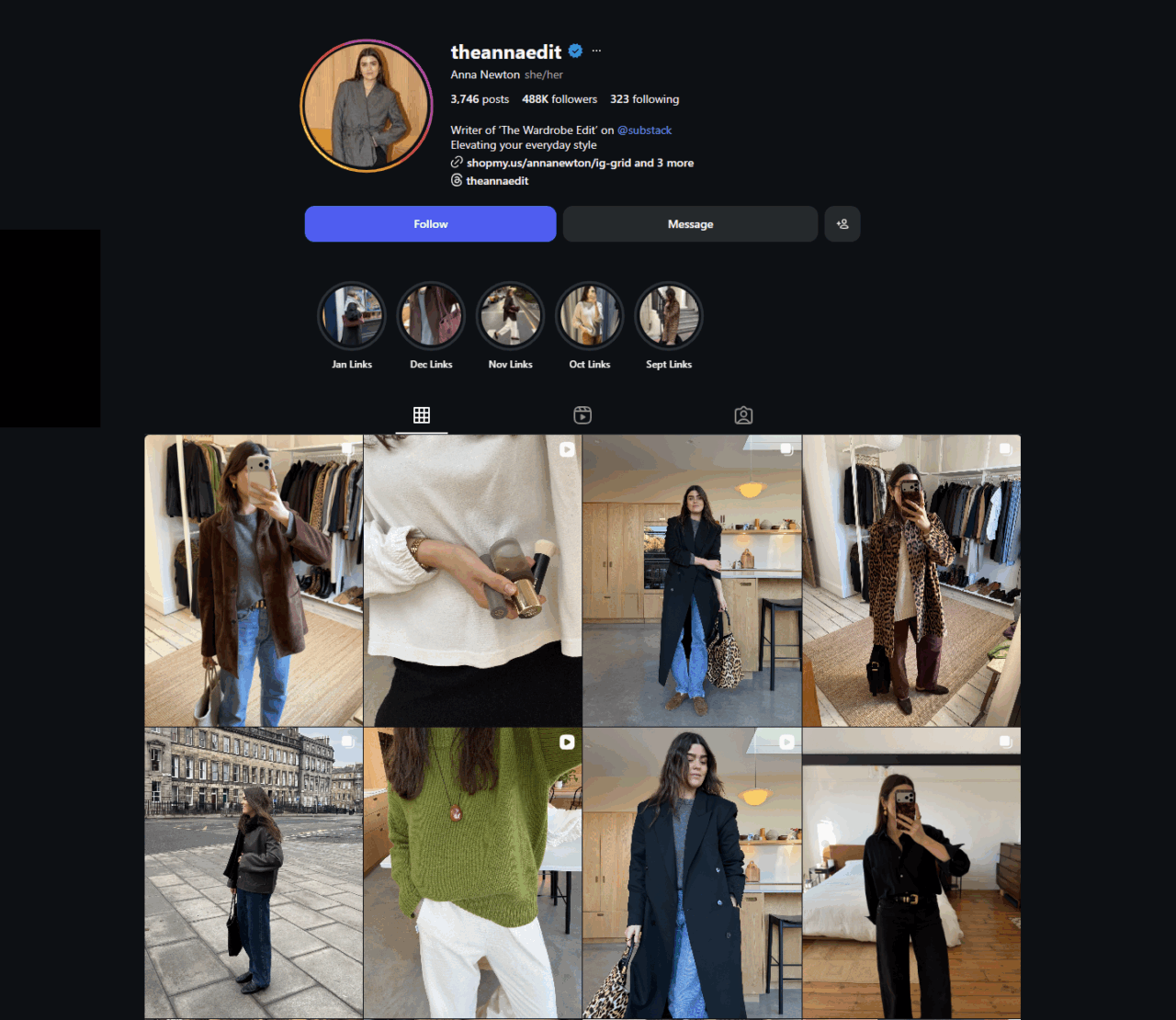
Affiliate model: LTK (rewardStyle) and direct brand programs
How it works: Outfit Reels supported by Story link stickers and curated “Shop” Highlights
Why it converts: Trust-led recommendations, repeat exposure, and seamless transition from inspiration to purchase
@mariefeandjakesnow — Travel & Remote Work
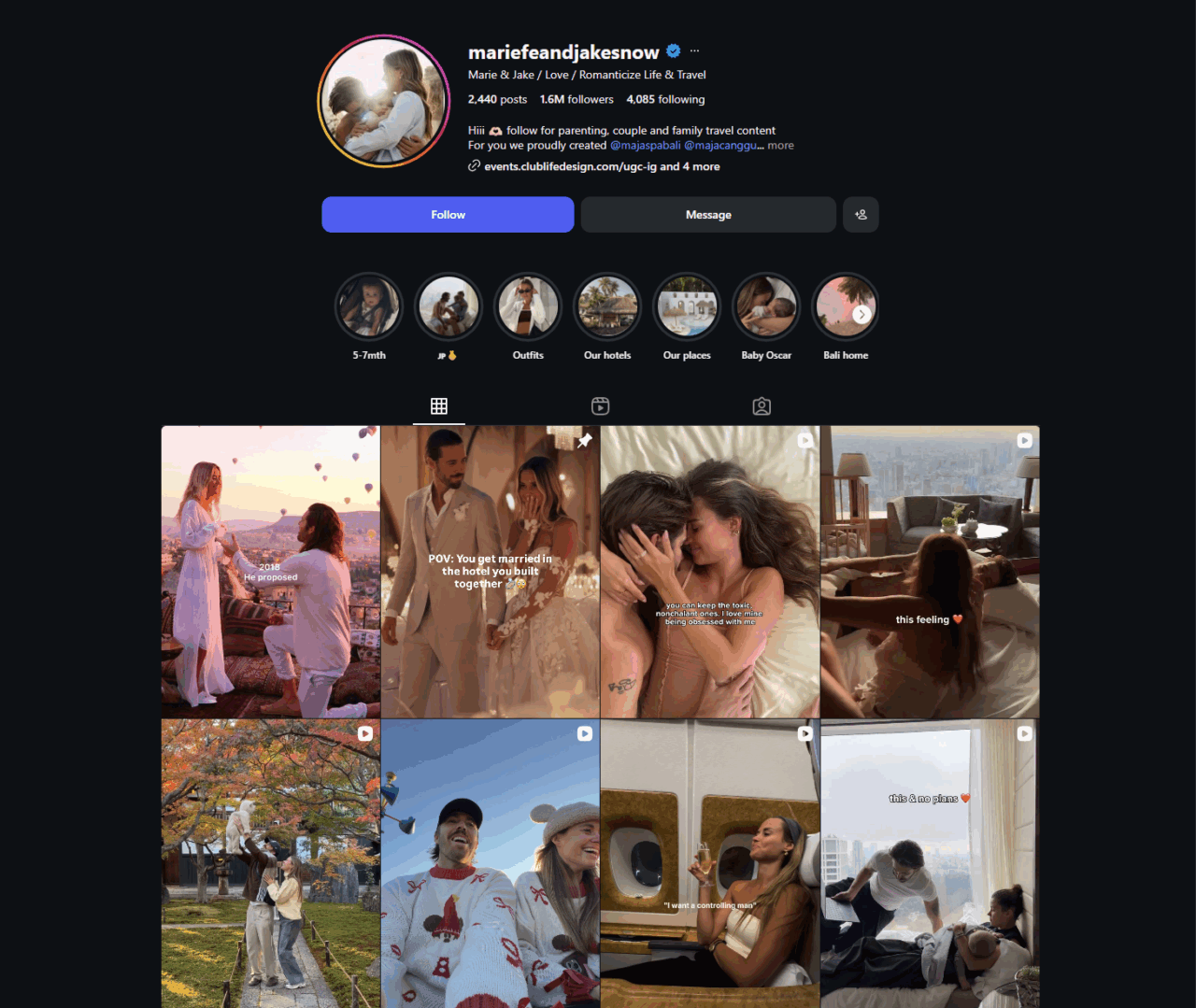
Affiliate model: Amazon Associates, travel gear brands, SaaS tools
How it works: Reels showcasing “everything we travel with,” supported by evergreen bio hubs
Why it converts: High purchase intent and evergreen content that compounds over time
@budgetbytes — Food & Cooking
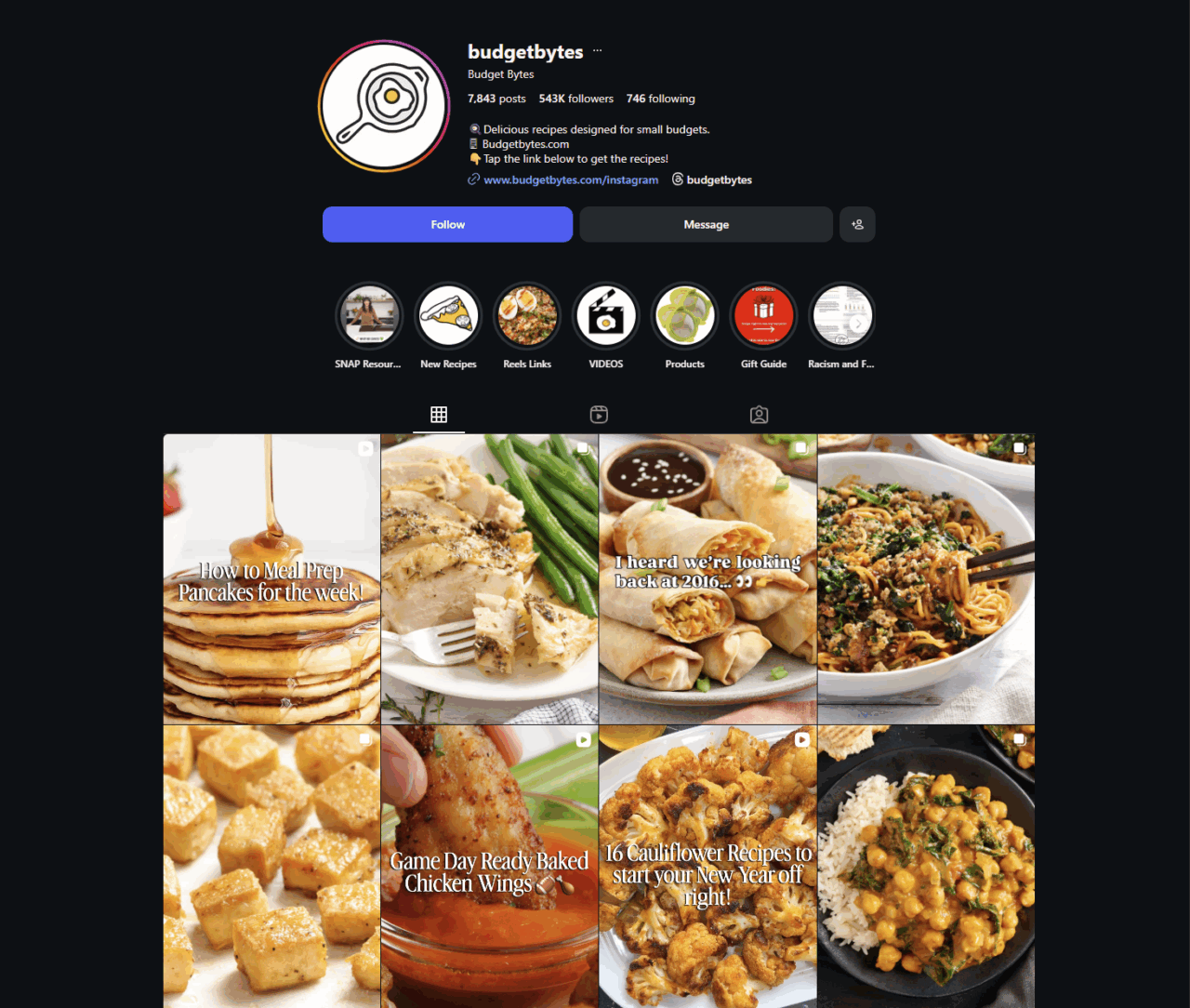
Affiliate model: Kitchen tools and cooking accessories
How it works: Recipe Reels with subtle product integration and Story links to exact tools used
Why it converts: Utility-first content where the product is part of the solution, not the pitch
@aliabdaal — Productivity & Creator Tools
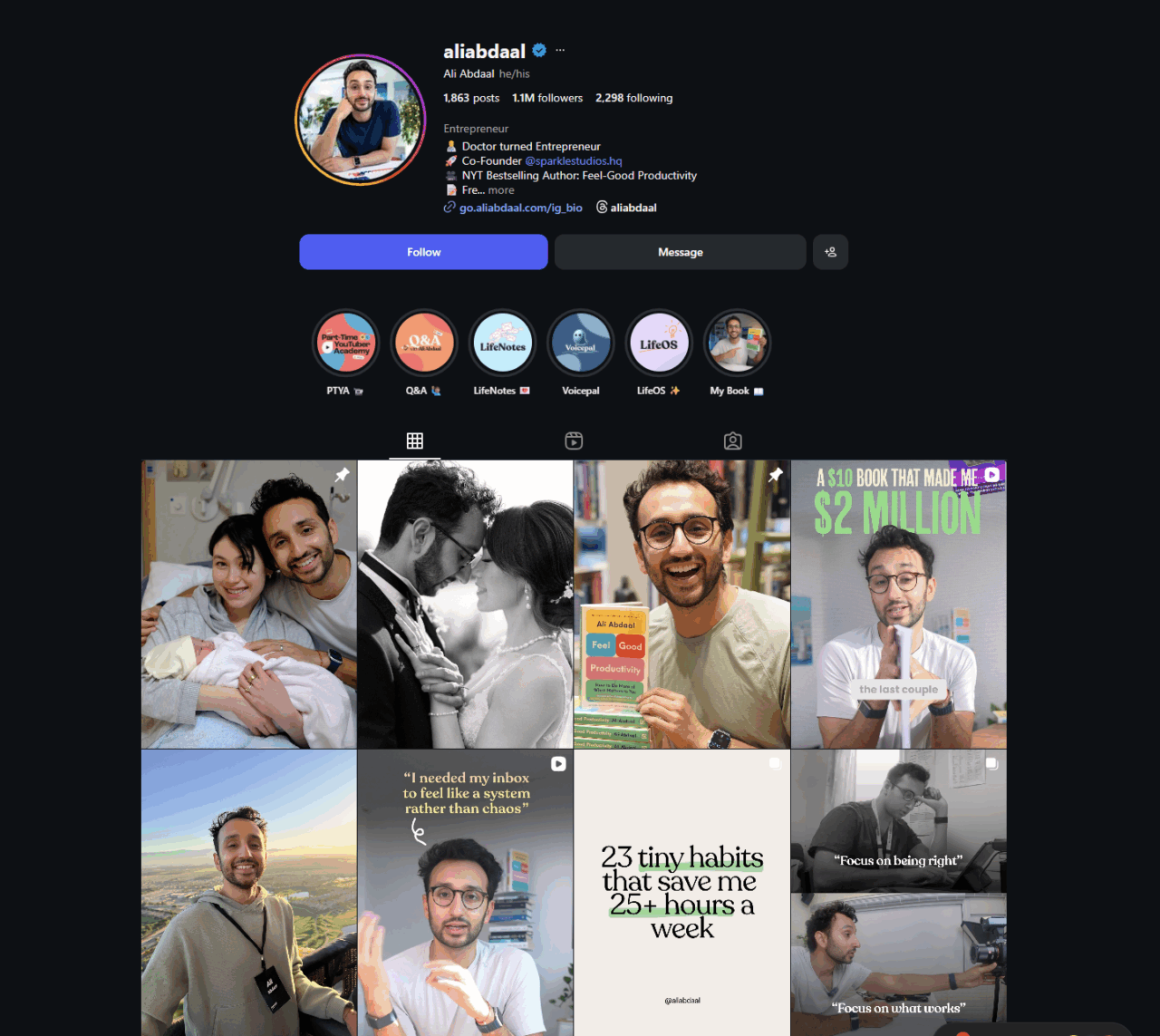
Affiliate model: SaaS platforms, learning tools, digital services
How it works: Educational Reels and carousels driving traffic to a centralized resources page
Why it converts: Authority positioning, long-term partnerships, and high-lifetime-value offers
@plantyou — Plant-Based Lifestyle
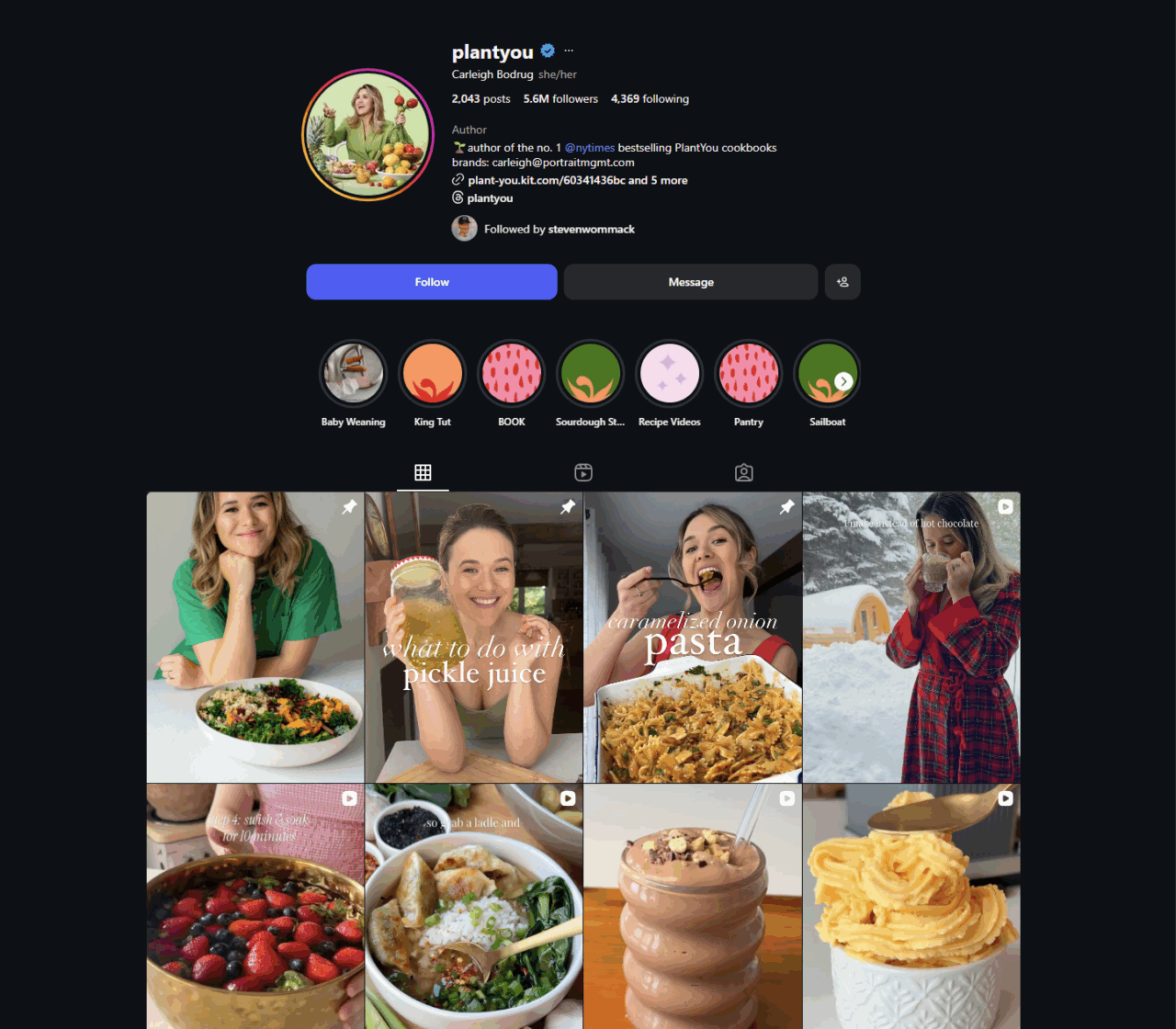
Affiliate model: Cookbooks, supplements, meal apps
How it works: Educational carousels and Stories with product links and testimonials
Why it converts: Values-based trust and consistent niche alignment
Key takeaway: Successful Instagram affiliates in 2026 do not “sell.” They integrate products naturally into content their audience already consumes, saves, and shares.
What This Means for You as an Affiliate Marketer
You do not need a massive following to succeed. Micro- and nano-influencers—typically between a few thousand and 50,000 followers—often outperform larger accounts because of stronger trust and engagement. Brands actively seek these creators due to higher conversion efficiency and more authentic audience relationships.
Affiliate marketing works on a simple principle: you recommend relevant products, your audience buys through your link or code, and you earn a commission. With consistency and optimization, even modest accounts can generate steady, scalable income.
Best Instagram Features for Affiliates in 2026
- Advanced Reels Product Tagging: Tag products directly within videos
- AI-Enhanced Creator Analytics: Predictive insights into performance and audience behavior
- Interactive Story Link Stickers: Multiple creative formats to drive clicks
- Collabs With Shared Attribution: Easier tracking of joint campaigns
- Creator Marketplace Improvements: Better brand discovery and standardized offers
- Instagram Shopping & Checkout: Reduced friction from discovery to purchase
- Profile Grid Curation: Dedicated “shop” or campaign-focused sections
Why Instagram Affiliate Marketing Is Stronger Than Ever
Instagram now supports the full affiliate funnel—from discovery to attribution—within the platform. Shoppable formats, analytics, and commerce-native behavior make it easier to monetize without disrupting user experience. For affiliates who focus on relevance and data-driven optimization, the opportunity in 2026 is stronger than at any previous point.
Part I: How to Build an Instagram Following for Affiliate Success
Before you think about affiliate links or brand deals, you need an audience that actually cares about what you post. That starts with choosing a clear niche. Trying to appeal to everyone rarely works on Instagram. People follow accounts because they know what to expect from them. Whether it’s beauty, fitness, personal finance, travel, food, or tech, pick a topic you genuinely enjoy and can talk about consistently.
Once your niche is clear, focus on creating content people want to watch and interact with. In 2026, video does most of the heavy lifting on Instagram, especially Reels. You do not need perfect lighting or expensive gear, but your content should feel intentional. Show your face when it makes sense, explain things clearly, and keep the message simple. Stories matter just as much. Posting daily Stories helps people get familiar with you and builds trust over time.
Engagement is what turns a regular account into an affiliate-ready one. Spend time replying to comments, answering DMs, and interacting with other creators in your niche. Commenting thoughtfully on related posts helps new people discover your profile and shows that you are active in the community. This part takes effort, but it is one of the fastest ways to grow without paid ads.
Hashtags still help with discoverability, but they are not magic. Use a mix of niche-specific and broader hashtags that actually relate to your post. Avoid stuffing random tags just for reach. Instagram’s search features rely more on captions and context now, so write like a human and describe what your content is about.
One thing that never helps is buying followers. Fake growth might look good on the surface, but it kills engagement and turns brands away instantly. Real growth is slower, but it is the kind that converts later when you start promoting products. If you choose to run Instagram ads to grow your account, keep them targeted and track what actually brings in followers who engage.
Collaborations can also help, as long as they make sense. Partner with creators in your niche who share a similar audience size and style. When the collaboration feels natural, both audiences benefit and trust stays intact.
Above all, consistency matters more than perfection. Posting regularly and showing up the same way builds familiarity. Over time, that familiarity becomes trust, and trust is what makes affiliate marketing work.
Part II: How to Connect With Brands and Affiliate Networks
Once you have an engaged audience, finding affiliate offers is usually easier than people expect. Many creators start by joining affiliate networks, which act as marketplaces for thousands of brands. After creating a profile, you can browse offers and apply to programs that fit your niche. Approval is often quick, especially if your content is focused and your engagement looks solid.
At the same time, do not overlook direct brand partnerships. If you already use a product and talk about it organically, check the brand’s website. Many companies run their own affiliate programs even if they are not listed on big networks. Reaching out directly can sometimes lead to better commission rates or long-term partnerships.
The most important rule here is staying aligned with your niche. If your account is about home workouts, promoting random beauty products will feel off. Your audience follows you for a reason, and affiliate offers should support that reason, not distract from it. Promoting fewer products that actually make sense almost always performs better than pushing everything under the sun.
Long-term relationships matter too. Working with the same brands over time builds credibility and makes your recommendations feel more genuine. It also makes your life easier because you learn what converts and can build repeat content around it.
Commission rates matter, but they are not everything. A lower commission on a product your audience already wants can outperform a high commission on something no one asked for. Think about price, demand, and how naturally the product fits into your content. Affiliate marketing works best when promotion feels like advice, not advertising.
Once you have chosen your offers and received your links or promo codes, you are ready to start sharing them in a way that feels natural on Instagram.
Part III: How to Place and Promote Affiliate Links on Instagram in 2026
Instagram makes it easier to share affiliate links than it used to, but you still need to be smart about how you do it. The most common setup is using a link in your bio. This usually points to a link hub or landing page where you organize your affiliate offers. Your posts and Reels then direct people there with a simple call to action.
Stories are where a lot of conversions actually happen. Link stickers let you send people directly to a product page with one tap. Because Stories feel casual and personal, they are perfect for quick product mentions, demos, or follow-ups after a Reel goes live. Clear wording and simple visuals work better than over-designed slides.
If you have access to product tagging, use it. Tagging products in Reels, posts, and Stories reduces friction and keeps users inside Instagram longer, which the platform favors. It also makes the buying process feel more natural, especially for impulse purchases.
Promo codes are another effective option. They are easy to remember and give followers a reason to buy now. You can mention them in captions, overlay them in videos, or talk about them in Stories. Many people prefer codes because they feel more personal and less salesy.
Direct messages can also lead to affiliate sales, but only when used carefully. If someone asks you where to buy something, sending a link makes sense. Spamming links does not. Treat DMs like real conversations, not sales funnels.
Paid promotions and sponsored posts allow for direct call-to-action buttons like “Shop Now.” These can work well if you are already seeing organic conversions. Just make sure you track performance so you know whether the spend is worth it.
No matter which method you use, tracking is what ties everything together. Without tracking, you are guessing. With proper tracking, you can see which content drives clicks, which links convert, and where to focus your time. That insight is what allows affiliate marketing on Instagram to move from a side hustle to a reliable income stream.to measure performance, optimize campaigns, and scale with confidence.
Frequently Asked Questions About Instagram Affiliate Marketing
Can you make money with affiliate marketing on Instagram in 2026?
Yes. With mature affiliate tools, shoppable formats, and analytics, creators at all levels can earn commissions by focusing on relevance, trust, and optimization.
Do you need a large following to succeed?
No. Micro- and nano-influencers often convert better due to higher engagement and niche authority.
What are the best ways to add affiliate links on Instagram?
The most effective methods include link-in-bio tools, Story link stickers, product tagging, promo codes, and sponsored CTAs. Stories typically drive the highest conversions.
Why is tracking essential for Instagram affiliates?
Tracking reveals which content, traffic sources, and offers generate revenue. It enables testing, optimization, and scalable growth.
What tactics help affiliates scale in 2026?
Personalization, community building, user-generated content, long-term partnerships, and data-driven optimization are key growth levers.



 Facebook
 Telegram