

Tracking pixels are small, invisible scripts that collect data on user behavior and power effective online ad campaigns. Facebook and Google pixels are widely used, but they have limitations. Voluum’s tracking pixel stands out by offering more accurate, reliable, and flexible tracking across all ad networks, not just Facebook or Google.
Facebook and Google Pixel technology is great but has its shortcomings. And here’s the thing: you can use the same technology to track your Facebook or Google campaigns without these problems.

Voluum is an ad tracker that uses scripts to track user behavior. You can use its script to track campaigns coming from all ad networks: Google, Facebook, but also Taboola, Outbrain, TikTok and others. One script to rule them all. And it’s better.
This whole article will explain why.
What Are Tracking Pixels and How Do They Work?
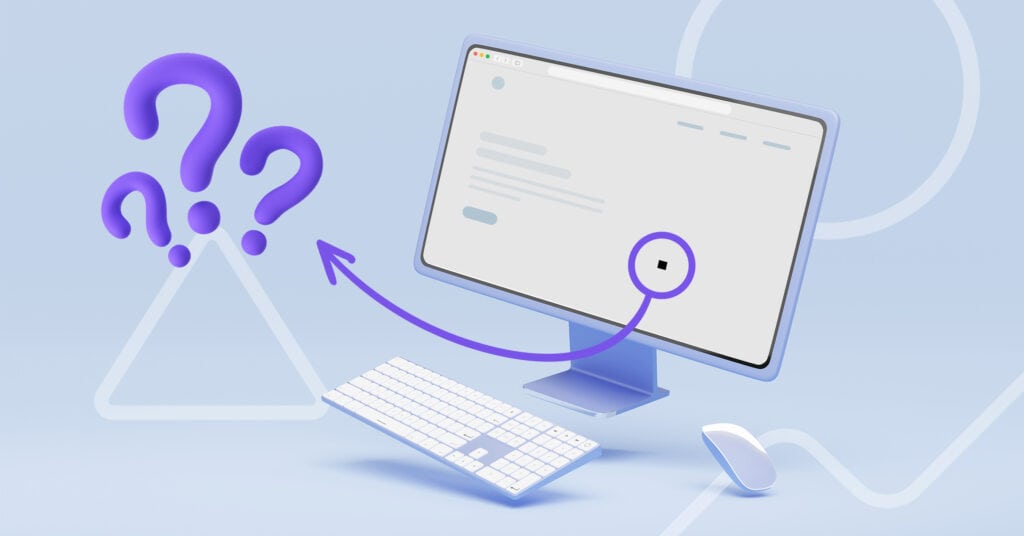
Tracking pixels are small images, you guessed it: 1×1 pixel in size. They are embedded in a web page’s code and once they’re loaded, they make requests to a tracking or analytical solution.
Pixels can track various activities across different web pages and report things like clicks or purchases. But how do they know who is responsible for which event?
All pixels assign unique identifiers to users and store them in cookies. If you are an advertiser, you’ve probably already heard something about cookies already.
What Cookie Issues Affect Google and Facebook Tracking Pixels?
Just to be sure that we are all on the same page: cookies are small text files set by a web browser that store various information that elevate browsing experience: type of the device so servers can display either desktop or mobile version, preferred language, contents of the shopping cart, login info, etc.
Cookies are 1st party when they refer to a domain you are currently visiting or 3rd party then they call another domain.
Here’s the problem: 3rd party cookies will soon be no more.
They are often tied to privacy-intruding tracking techniques. To help protect privacy, some web browsers already block all 3rd party cookies. The world’s most popular web browser – Chrome – is scheduled to block them in 2024.
Which cookies do you think tracking pixels of the two advertising giants use?
You guessed it, 3rd party.
To be clear, it’s the web browser that decides whether a cookie is treated as 1st or 3rd party. This may change depending on the context or setup. And Google is working hard on the alternative for 3rd party cookie tracking – all its efforts are gathered under the Privacy Sandbox initiative.
But for now, with Google or Facebook tracking pixels, some conversions may not be reported.
How Do Voluum Tracking Pixels Handle Cookies Differently?

The Voluum team prepared for the incoming problems with 3rd party cookies long ago. What’s unique in Voluum’s pixel tracking technology (in Voluum we call them direct tracking scripts) is that they set two types of cookies: 1st and 3rd party. When the latter are not available, it will use data from the former.
This guarantees that you will track visits to the landing page and click on the CTA button with no problems.
When it comes to conversion tracking, Voluum has a conversion tracking pixel that can read data from the 1st party cookies set by Voluum’s pixels.
What Is the Conversion Attribution Window for Voluum vs. Facebook and Google?
Conversion attribution window is a time period in which a conversion is accepted.
- Facebook has a 7 day attribution window
- Google has a 30 day attribution window
- Voluum has a 180 day attribution window…
This means that with Voluum you can catch all various delayed conversions and get credit for them.
How Can Voluum Pass Conversions to Google and Facebook?
At this point you may be asking yourself: “It’s great that I can catch more conversions using Voluum but I need them in Google or Facebook. I need their magic algorithms to use my conversion data and optimize my ad delivery”.
Worry not! Voluum allows you to pass all recorded conversions to Facebook or Google, no matter which method was used to record it!
You can use Voluum conversion pixel to catch more conversions that you would with their own proprietary pixels or you can record conversions with postbacks.
Postbacks are widely used by third-party offer suppliers such as affiliate networks. Normally, you wouldn’t be able to use postbacks with the two platforms but thanks to Voluum – you can! To reiterate: Voluum enables affiliate marketing on Google and Facebook.
How Does Voluum Handle Conversion Tracking After iOS 14.5?
The iOS 14.5 update – which affected the way how access to the advertiser’s ID is handled – changed a lot for advertisers. It didn’t influence the way Voluum tracking works directly, but Voluum doesn’t operate in a vacuum. It operates in a certain ecosystem, and it lost an easy access-point to identifying users along the campaign funnel.
From now on, conversions are handled by Apple and therefore, mobile attribution tools such as AppsFlyer cannot get ID information when conversion occurs and by implication, pass it along to Voluum. Luckily, Voluum has a fail-safe mechanism for such cases. It allows you to use campaign ID instead of click ID to register a conversion.
When attributing a conversion to a whole campaign instead of a concrete visit, you lose some granularity in the data and this document describes this in more detail. But what’s more important, you are still able to register a conversion even without a click ID.
What Makes Voluum Pixels Better Than Facebook or Google Pixels?

Thanks to Voluum, you can advertise better while still using the two platforms’ massive reach. It’s a rare case of having your cake and eating it: all benefits of advertising on Google and Facebook without the shortcomings.
Voluum pixels give you:
👉 More accurate conversion data thanks to 1st party cookies that Voluum pixels use
👉 Longer conversion attribution window
👉 Passing conversions registered with postbacks
👉 Registering conversions without click ID after the iOS 14.5 update.
Google and Facebook are big enough to be satisfied with the “good enough” attitude for all you advertisers. But Voluum aims to be far better. Check it out now!
Frequently Asked Questions
Question: What are tracking pixels and why are they important?
Tracking pixels are tiny, invisible images or scripts placed in website code that collect data on user actions. They help marketers optimize campaigns by understanding user behavior and tracking conversions.
Question: Why do Facebook and Google pixels have issues with cookies?
Both Facebook and Google pixels depend heavily on third-party cookies, which are being blocked by many browsers and will soon be phased out entirely. This can result in missing or inaccurate conversion data for advertisers.
Question: How does the Voluum pixel solve cookie tracking issues? Answer: Voluum’s pixel sets both 1st party and 3rd party cookies, so even if 3rd party cookies are blocked, it continues to track user activity accurately using 1st party cookies.
Question: What is the difference in conversion attribution windows between Voluum, Facebook, and Google?
Voluum offers a much longer attribution window—180 days—compared to Facebook’s 7 days and Google’s 30 days. This allows Voluum to capture delayed conversions and provide more complete data.
Question: Can Voluum send conversion data back to Facebook and Google for ad optimization? Answer: Yes, Voluum can pass all recorded conversions to Facebook and Google, ensuring that their platforms’ optimization algorithms can still use the comprehensive data collected by Voluum.



 Facebook
 Telegram