


Voluum Glossary
What is Igaming
Understanding iGaming
iGaming represents the fusion of two major components: “i” for interactive and “gaming” for gambling. At its core, iGaming encompasses a vast spectrum of digital gambling activities, accessible through the internet or mobile applications. It offers players the convenience and flexibility to wager on various games, including but not limited to:
Online Casino Games: These include traditional casino games like slots, blackjack, poker, roulette, and baccarat, among others. Online casinos replicate the ambiance of brick-and-mortar casinos through immersive graphics and real-time gameplay. In countries where online casinos are disallowed there are social casinos that allow users to play with no real money being involved.
Sports Betting: iGaming platforms provide a platform for sports enthusiasts to bet on various sporting events, ranging from football and basketball to horse racing and esports.
Online Lottery: Players can purchase lottery tickets and participate in national and international lotteries with the click of a button. Lotteries are usually state-owned.
Poker Tournaments: Online poker rooms host tournaments, catering to both casual and professional players.
Bingo and Other Games of Chance: Traditional games like bingo and scratch cards have found their digital counterparts in iGaming.
How the iGaming Industry Works
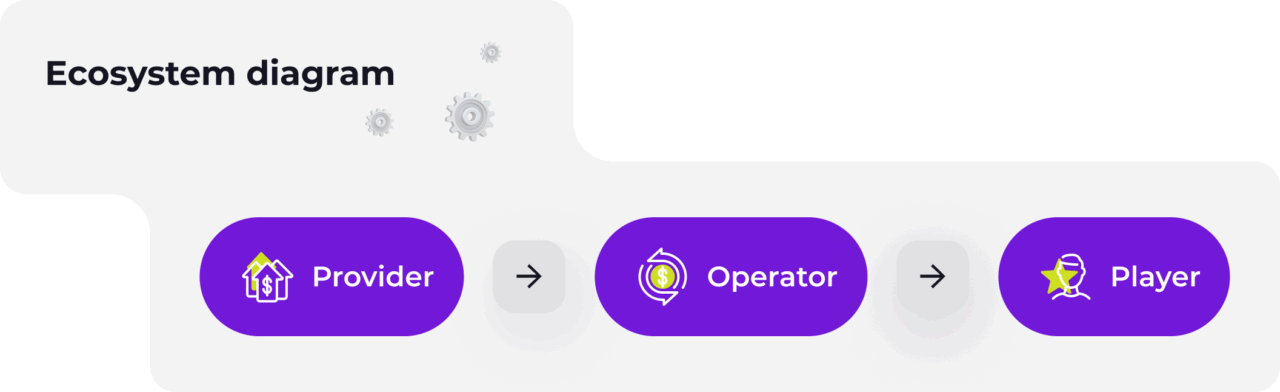
The iGaming industry operates through a complex ecosystem of interconnected stakeholders, each playing a vital role in delivering gambling experiences to players worldwide. The industry is more fragmented than other verticals due to complex technical and legal challenges, so it is important to understand who the stakeholders are, and what are their motivations.
Game Providers, Platforms & Aggregators
The iGaming supply chain begins with game providers, also known as game developers or studios. These companies create the actual games that players enjoy, from slots and table games to live dealer experiences. Leading providers like Playtech, Evolution Gaming, and Microgaming have established themselves as industry standards, developing thousands of titles that power online casinos globally.
Between game providers and players sits a crucial layer of affiliate platforms and aggregators. These intermediaries bundle content from multiple game providers, making it easier for casino operators to offer diverse game libraries without negotiating individual contracts with each developer. Aggregators streamline licensing, technical integration, and regulatory compliance across different jurisdictions.
Many operators choose white-label platforms to enter the market quickly. These turnkey solutions provide everything needed to launch an online casino, including game content, payment processing, customer support infrastructure, and regulatory compliance tools. White-label platforms significantly reduce time-to-market and initial capital requirements, making them attractive for new operators or those expanding into new regions.
Payments, Fraud Prevention & KYC
Financial infrastructure forms the backbone of iGaming operations. Players need secure, fast, and convenient ways to deposit and withdraw funds, while operators must protect against fraud and comply with increasingly strict regulations.
Payment processing in iGaming is more complex than typical e-commerce. Operators typically integrate multiple payment service providers (PSPs) to offer various options including credit cards, e-wallets, bank transfers, and increasingly, cryptocurrencies. Each payment method comes with different processing times, fees, and regional availability.
Anti-Money Laundering (AML) compliance is non-negotiable in licensed markets. Operators must implement robust systems to detect suspicious transactions, unusual betting patterns, and potential money laundering activities. This includes monitoring large deposits, rapid turnover of funds, and transactions inconsistent with a player’s profile.
Know Your Customer (KYC) procedures verify player identities and protect both operators and users. During registration or before first withdrawal, players must typically provide government-issued identification, proof of address, and sometimes proof of payment method ownership. Advanced KYC systems now use automated document verification, facial recognition, and database checks to streamline this process while maintaining security.
Chargeback protection is critical for operators, as disputed transactions can result in significant financial losses and damage relationships with payment processors. Sophisticated fraud prevention systems analyze player behavior, device fingerprinting, IP addresses, and transaction patterns to flag potentially fraudulent activity before it results in chargebacks.
Player Safety & Responsible Gaming Tools
As the iGaming industry matures, player protection has moved from optional feature to regulatory requirement in most licensed jurisdictions. Operators must provide tools that help players maintain control over their gambling activities.
Self-exclusion programs allow players to voluntarily ban themselves from gambling sites for specified periods, ranging from months to permanent exclusion. In many jurisdictions, self-exclusion databases are shared across operators, ensuring comprehensive protection. Some regions have implemented national self-exclusion registries that prevent problem gamblers from accessing any licensed operator.
Deposit limits enable players to set daily, weekly, or monthly caps on how much money they can deposit into their accounts. Once set, these limits typically cannot be increased immediately, with cooling-off periods ranging from 24 hours to several days to prevent impulsive decisions.
Time limits and session reminders help players track how long they have been playing. Pop-up notifications inform users when they have been active for extended periods, encouraging breaks and promoting awareness of time spent gambling.
Reality checks periodically display information about session duration and net wins or losses, helping players make informed decisions about continuing to play. Many jurisdictions now mandate these features at regular intervals during gameplay.
Progressive operators go beyond mandatory requirements, offering self-assessment tools, links to problem gambling support organizations, and staff training to identify and assist players showing signs of gambling-related harm.
Legal Status of iGaming Worldwide
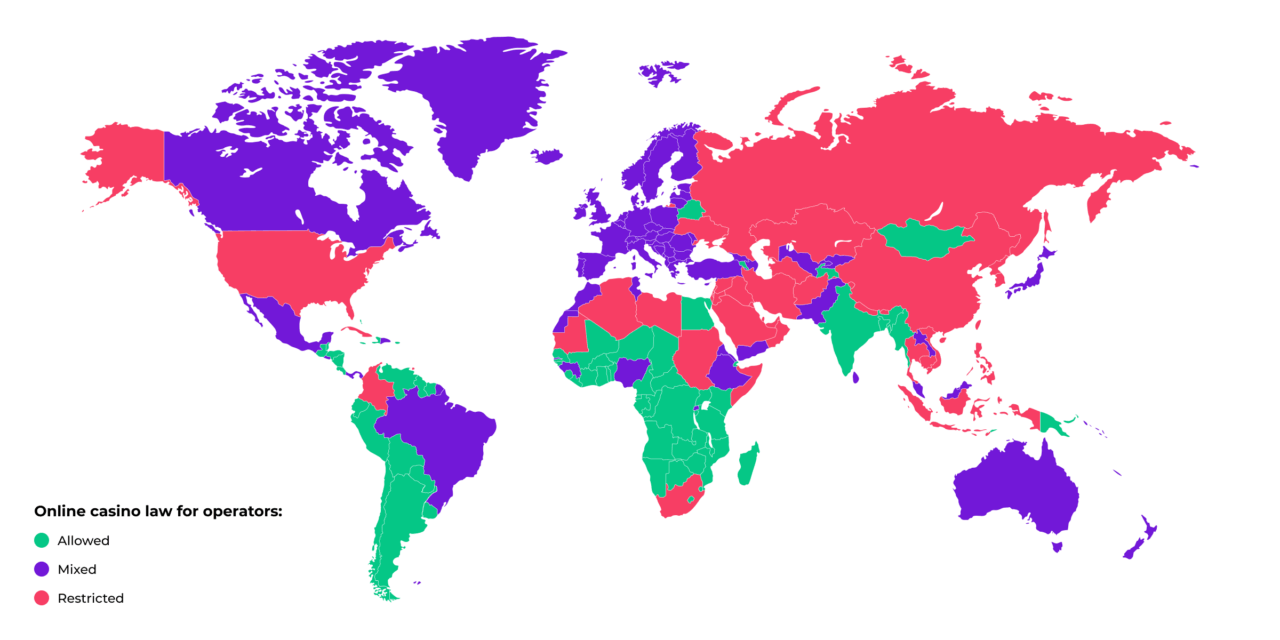
The legal status of iGaming varies significantly from one country to another. Some countries have embraced it with open arms, regulating and taxing the industry, while others have imposed strict bans or restrictions. Here’s a brief overview of the legal status of iGaming in different regions:
United States: iGaming is subject to state-level regulations. Several states have legalized online casinos, poker, and sports betting, including Nevada, New Jersey, and Pennsylvania. However, others maintain a stricter stance.
United Kingdom: The UK has a well-regulated iGaming market, where operators must obtain licenses and adhere to strict regulations to offer their services legally.
European Union: Many EU countries have their own iGaming regulations. Malta, Gibraltar, and Isle of Man are popular hubs for online gambling operators due to favorable tax regimes and regulatory frameworks.
Asia: iGaming laws in Asia are diverse. Some countries, like the Philippines and Macau, have embraced the industry, while others, such as Singapore and South Korea, maintain strict bans.
Australia: While online sports betting is legal, the Interactive Gambling Act 2001 prohibits online casinos and poker services from being offered to Australian residents.
iGaming Market Trends (2025-2026)
The iGaming landscape is evolving rapidly, driven by technological innovation, changing consumer preferences, and shifting regulatory frameworks. Artificial intelligence is enabling unprecedented personalization of player experiences, while mobile devices have become the primary access point for online gambling. Live dealer content continues to bridge the gap between online and land-based casino experiences, offering authentic interaction in real time.
Meanwhile, regulatory bodies worldwide are implementing stricter controls to protect consumers and ensure market integrity. The affiliate marketing sector, traditionally a growth driver for operators, faces intensifying competition as more players enter the space and advertising platforms impose tighter restrictions on gambling-related content. These trends are reshaping how operators acquire customers, deliver experiences, and sustain growth in an increasingly crowded marketplace.
Artificial Intelligence & Personalization
AI technology is revolutionizing how iGaming operators interact with players. Machine learning algorithms analyze player behavior, game preferences, betting patterns, and engagement history to deliver personalized experiences. This includes customized game recommendations, tailored bonus offers, and individualized marketing messages that resonate with specific player segments.
Predictive analytics powered by AI help operators identify players at risk of churn, enabling proactive retention campaigns. Similarly, AI systems can detect early warning signs of problem gambling behavior, triggering responsible gaming interventions before issues escalate.
Chatbots and virtual assistants powered by natural language processing provide 24/7 customer support, handling common queries instantly while escalating complex issues to human agents. This improves player satisfaction while reducing operational costs.
AI-driven content optimization extends to game design as well, with providers analyzing player data to create titles that maximize engagement. Dynamic difficulty adjustment and personalized reward systems keep players engaged longer while maintaining healthy play patterns.
Rise of Mobile Gaming & Live Dealer Content
Mobile devices now account for the majority of iGaming traffic in most markets. The shift from desktop to mobile has fundamentally changed product development, with operators adopting mobile-first design principles. Games are optimized for touchscreen interfaces, smaller screens, and intermittent connectivity. Progressive web apps (PWAs) offer app-like experiences without requiring downloads, bypassing app store restrictions that limit gambling applications.
Live dealer games have emerged as the fastest-growing segment of iGaming, combining the convenience of online play with the authenticity of real human dealers. High-definition streaming, multiple camera angles, and interactive chat features create immersive experiences that appeal to players who miss the social aspects of land-based casinos.
Evolution Gaming and other leading providers have expanded beyond traditional table games to create game-show style experiences like Crazy Time, Monopoly Live, and Deal or No Deal. These innovative formats attract new demographics, particularly younger players seeking entertainment beyond standard casino games.
Mobile optimization of live dealer content presents technical challenges, requiring adaptive bitrate streaming and optimized interfaces that maintain quality on smaller screens and varying network conditions. Operators who successfully deliver seamless mobile live dealer experiences gain significant competitive advantages.
Regulatory Evolution & New Markets
The global regulatory landscape continues to shift as governments balance consumer protection, tax revenue, and market control. Several US states have launched or are preparing to launch regulated iGaming markets, creating significant growth opportunities. Brazil is moving toward regulated online gambling, potentially becoming one of the world’s largest markets.
Conversely, some markets are tightening regulations. The UK Gambling Commission has implemented stricter affordability checks and advertising restrictions. Germany’s new State Treaty on Gambling imposes deposit limits, stake limits, and prohibits certain game features, forcing operators to adapt their products.
Licensing requirements are becoming more stringent globally, with regulators demanding higher standards of technical compliance, financial stability, and corporate governance. Operators must navigate varying requirements across jurisdictions, often maintaining separate platforms or game configurations for different markets.
The push toward local licensing means operators increasingly need market-specific licenses rather than relying on licenses from lenient jurisdictions. This raises barriers to entry but creates more stable, regulated markets that benefit compliant operators.
Tax regimes vary dramatically, with some jurisdictions implementing gross gaming revenue (GGR) taxes while others tax net revenues or player stakes. Operators must carefully evaluate the profitability of each market considering licensing costs, tax obligations, and operational requirements.
Growth of iGaming Affiliate Marketing
Affiliate marketing remains a primary customer acquisition channel for iGaming operators, but the landscape is becoming more competitive and complex. Traditional review sites and comparison platforms face increasing competition from social media influencers, content creators, and niche communities focused on specific games or betting strategies.
Revenue share models, where affiliates earn a percentage of player losses over their lifetime, compete with cost-per-acquisition (CPA) deals offering one-time payments for referred players. Hybrid models combining both approaches are becoming more common, balancing operator risk with affiliate reward.
Major advertising platforms including Google and Meta have imposed strict policies on gambling advertising, forcing affiliates to develop creative content strategies that comply with platform guidelines. This has driven growth in SEO-focused content, streaming platforms, and alternative channels less restrictive toward gambling promotion.
Affiliate compliance has become critical as regulators extend responsibility to marketing partners. Operators now vet affiliates more carefully, ensuring marketing materials meet advertising standards and do not target vulnerable populations. Some jurisdictions require affiliate registration or impose direct obligations on marketing partners.
The rise of dedicated affiliate tracking platforms like Voluum enables more sophisticated campaign management, allowing affiliates to optimize traffic sources, test landing pages, and maximize conversion rates through data-driven insights. As margins compress due to increased competition and regulatory costs, affiliates who leverage advanced tracking and optimization tools gain significant advantages over those relying on basic analytics.
iGaming as an Advertising Opportunity
For advertisers, iGaming presents a unique and lucrative opportunity to connect with a global audience of engaged and passionate users. In many cases, a lot of work is already done: people that have a habit of visiting brick and mortar casinos will be more likely to check out the online experience. For those that have never tried traditional gambling as a form of entertainment, advertisers can emphasize the fun and social aspects of it.
Highly Targeted Advertising: iGaming platforms collect valuable user data, allowing advertisers to create highly targeted and relevant ads. Advertisers can tailor their messages based on players’ preferences, demographics, and behavior.
Engaged Audience: iGaming enthusiasts are often deeply engaged with the platform, spending considerable time playing games and interacting with content. This engagement provides advertisers with a captive audience.
Global Reach: iGaming has a global reach, offering advertisers access to a diverse international audience. Ad campaigns can be customized to suit different regions, languages, and cultural nuances.
Innovative Ad Formats: iGaming platforms often incorporate innovative ad formats, including in-game advertising, sponsorships, and promotions, allowing brands to creatively showcase their products or services.
Revenue Potential: Advertisers can tap into the revenue potential of the iGaming industry, which is estimated to be in the billions of dollars annually. This sector’s growth presents long-term opportunities for brands.
Voluum for iGaming
Voluum is cutting-edge tracking software that can boost the ROI of paid and organic traffic sources for affiliates and operators. As iGaming continues to grow globally, with online casinos, sports betting, and poker tournaments attracting a diverse audience, marketers need robust software like Voluum to optimize their campaigns.
Voluum offers advanced tracking and analytics tools that enable advertisers to monitor player behavior, traffic sources, and conversions in real-time. Its powerful software solutions help iGaming operators and affiliates tailor their marketing strategies based on user preferences and regional regulations. With Voluum, iGaming businesses can maximize their advertising ROI through precise targeting, AI-powered optimization, and seamless integration with major traffic sources.
Conclusion
iGaming is a dynamic and rapidly growing industry that encompasses a wide range of online gambling activities, from casino games and sports betting to lotteries and poker tournaments. While its legal status varies from country to country, iGaming presents an enticing opportunity for advertisers to reach a highly engaged and global audience. As the industry continues to evolve, savvy advertisers will find innovative ways to connect with iGaming enthusiasts and capitalize on the immense potential this platform offers.


 Facebook
 Telegram