

Scaling into the Dark
MegaPerya’s move into ad networks came fast. Launching paid campaigns across several platforms at once is a reasonable way to build digital presence quickly, but it multiplies a problem that social-only advertising mostly hides: traffic quality varies enormously between zones, sites, and placements within the same network.
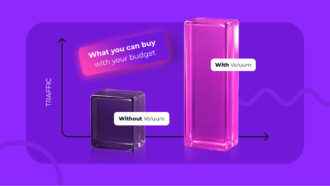
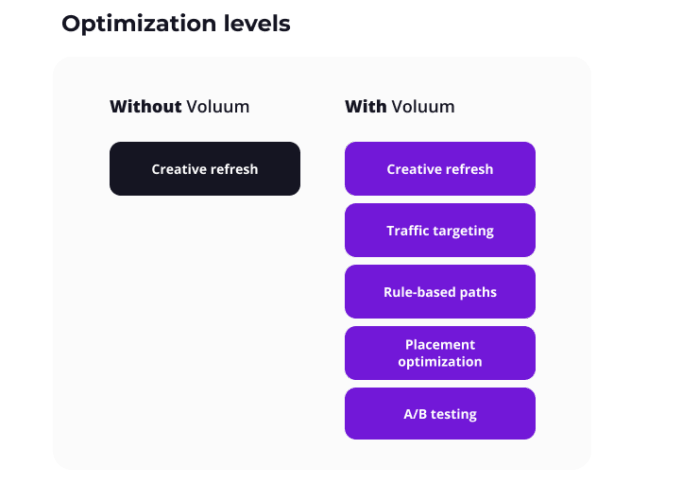
Without campaign-level performance data, the team’s optimization toolkit was limited to regular creative refreshes. Creatives matter, but they’re only half the equation. If a campaign underperforms because the traffic itself is coming from weak placements, no amount of creative iteration fixes it. Add data discrepancies between platforms and the manual overhead of tracking reports across networks, and the team was spending budget without a clear picture of where it worked.
A Tracking Layer, Not a Replacement
MegaPerya heard about Voluum the way most teams in this industry do: from friends already using it. What made it the right fit was specific. They needed in-depth, systemized data tracking with the ability to optimize by source IDs and traffic sources, not just by campaign or creative.
Notably, Voluum didn’t replace anything. MegaPerya continues to run its internal data tracking system, and uses Voluum as the layer that guides performance improvement on the paid media side. For an operator with existing infrastructure, that’s a practical setup: Voluum handles the granular campaign intelligence, and the internal systems keep doing what they were built for.
From Creative Refreshes to Source-Level Optimization
The change in how the team optimizes is straightforward to describe. Before, the levers were creative. Now, with visibility into source IDs and traffic IDs, the team can see which sources work best with which campaigns on which ad networks, and shift budget accordingly.
That granularity changed the daily rhythm of the operation. Voluum tells the team each day whether campaigns are performing and where optimization is needed, which means strategy shifts happen on the fly rather than after a reporting cycle. In a competitive market, that agility is the difference between catching an underperforming placement today and paying for it all week.
The team is candid that they’re still early. At less than six months in, they haven’t yet explored features like rule-based paths, the Anti-Fraud Kit, or Traffic Distribution AI. The results so far come from the fundamentals: clean data, source-level visibility, and convenient reporting.
The Results
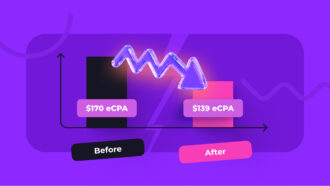
The impact MegaPerya points to is efficiency. Budget goes further because daily data shows exactly where it should go. Optimization takes less time because the team works from clear signals rather than guesswork. And extracting data for reporting, previously a manual chore across multiple networks, is now convenient enough not to be a bottleneck.
Would They Recommend It?
Definitely. Their reasoning speaks to any operator in a fast-paced, competitive market: effectively measuring your investment is the advantage. In their words, Voluum makes sure you get optimum bang for the buck from your digital paid media efforts.






 Facebook
 Telegram