

It’s launch week at a newly licensed online casino. The games are live, the payment methods work, and the marketing team has a shared doc titled “Tools?” with forty tabs open and a regulator’s checklist pinned above it.
Every gambling brand goes through some version of this. The good news is that the stack is more predictable than it looks. The right iGaming marketing tools fall into six categories: tracking and attribution, CRM and retention, affiliate management, compliance and KYC, SEO, and paid traffic. Get one solid tool in each, make sure they share data, and you have a stack that can acquire players, keep them and stand up to an audit.
This review covers two or three proven tools per category, how the categories connect, and which setup fits a startup, a mid-size operator or a multi-market group.
Disclosure: Voluum is our product. It appears in the tracking category alongside other tools, with its limitations.
What an iGaming Marketing Stack Has to Do
A regular e-commerce stack has to find customers and sell to them again. A gambling stack has the same job with three extra constraints that change which tools work.
The first is regulation. Licenses decide which markets you can advertise in, which bonuses you can offer and which players you must turn away, and they differ by jurisdiction. The second is identity. Players must pass KYC and age checks before or around their first deposit, so a verification step sits in the middle of your funnel and affects conversion rates. The third is the acquisition mix. Affiliates often bring a large share of new players, which means your stack needs to track partner traffic and paid traffic side by side, and pay commissions on revenue that only appears weeks later.
Tools built for gambling handle these constraints natively. Generic marketing software can work too, but you’ll spend time making it understand FTDs, bonuses, wallets and self-exclusion.
How We Picked the Tools
We included iGaming marketing tools that are built for gambling or widely used by gambling operators, that document their integrations publicly, and that cover a clear job in the stack. We checked each vendor’s own site in November 2026. Most iGaming-specific vendors quote prices on request, so we focus on what each tool does rather than on price tags.
The Best iGaming Marketing Tools by Category
1. Tracking and Attribution
Tracking is where marketing spend meets player value. Without it, you can’t tell which campaign, creative or partner brought the players who deposited.
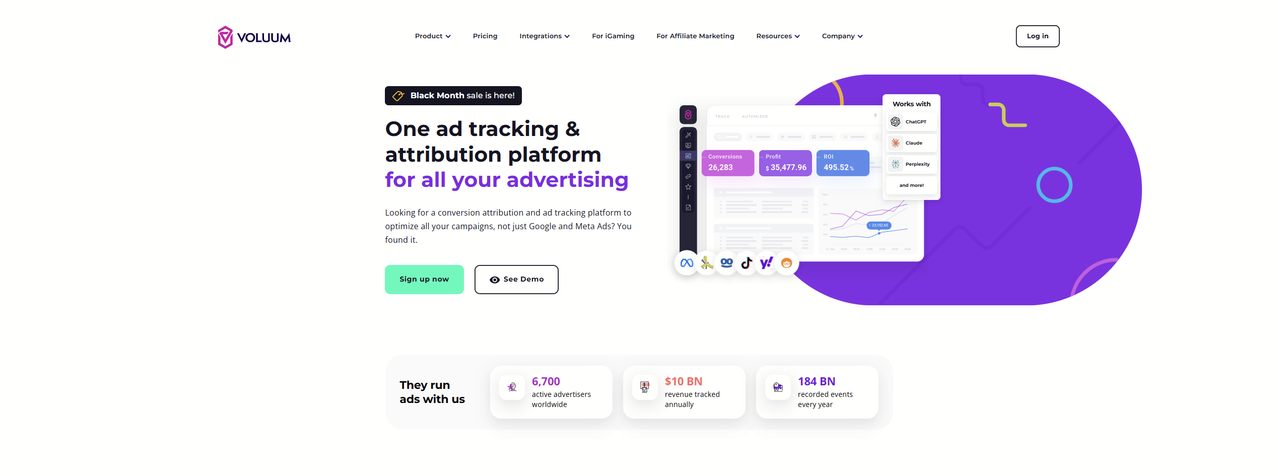
Voluum tracks paid and SEO acquisition across traffic sources, with server-to-server postbacks for registrations, FTDs and deposits, so data doesn’t depend on cookies. Cost syncs from integrated sources, rules can pause losing placements automatically, and the Anti-Fraud Kit flags suspicious traffic. For operators who run paid and partner traffic together, the Affilka integration pulls complete player data from Affilka programs into a Player report in Voluum, without setting up postbacks; you connect it with a statistics token and program URL. Best for: paid acquisition teams buying across many sources. Limitation: the Affilka integration is available from the Enterprise plan, and Voluum measures acquisition rather than in-app behavior.
AppsFlyer is a mobile measurement partner that attributes app installs and in-app events, such as registrations and deposits, to the campaigns that drove them. Best for: operators with native casino or sportsbook apps. Limitation: it’s an app attribution tool, so web acquisition and campaign optimization need a separate tracker.
Google Analytics 4 covers on-site behavior: which pages players land on, where they drop out of registration, and how organic and direct traffic perform. Best for: site and funnel analytics at no license cost. Limitation: it relies on browser tagging and consent, so it undercounts in markets with strict consent rules and isn’t built to reconcile affiliate or ad-network costs.
For a deeper comparison of trackers, see our iGaming tracking solutions review and the iGaming tracking setup guide.
2. CRM and Retention
Acquisition gets a player to the first deposit; CRM decides whether there’s a second one. In gambling, CRM also carries responsible-gambling duties, so segmentation and suppression rules matter as much as campaign creativity.
Optimove positions itself as a player engagement platform for iGaming and sports betting, combining CRM marketing, personalization, promotions management and gamification. It also runs a program for pre-launch and startup operators without in-house CRM support. Best for: operators who want mature, AI-led journey orchestration. Limitation: it’s a large platform; smaller teams need time or vendor support to use it fully.

Fast Track is a real-time CRM built for iGaming, triggering messages from live player events such as deposits, bets and log-ins across email, SMS, push and on-site channels. Its Singularity model picks content, timing and channel per player. Best for: teams that want event-driven, 1:1 engagement. Limitation: the real-time model depends on a solid data integration with your platform.
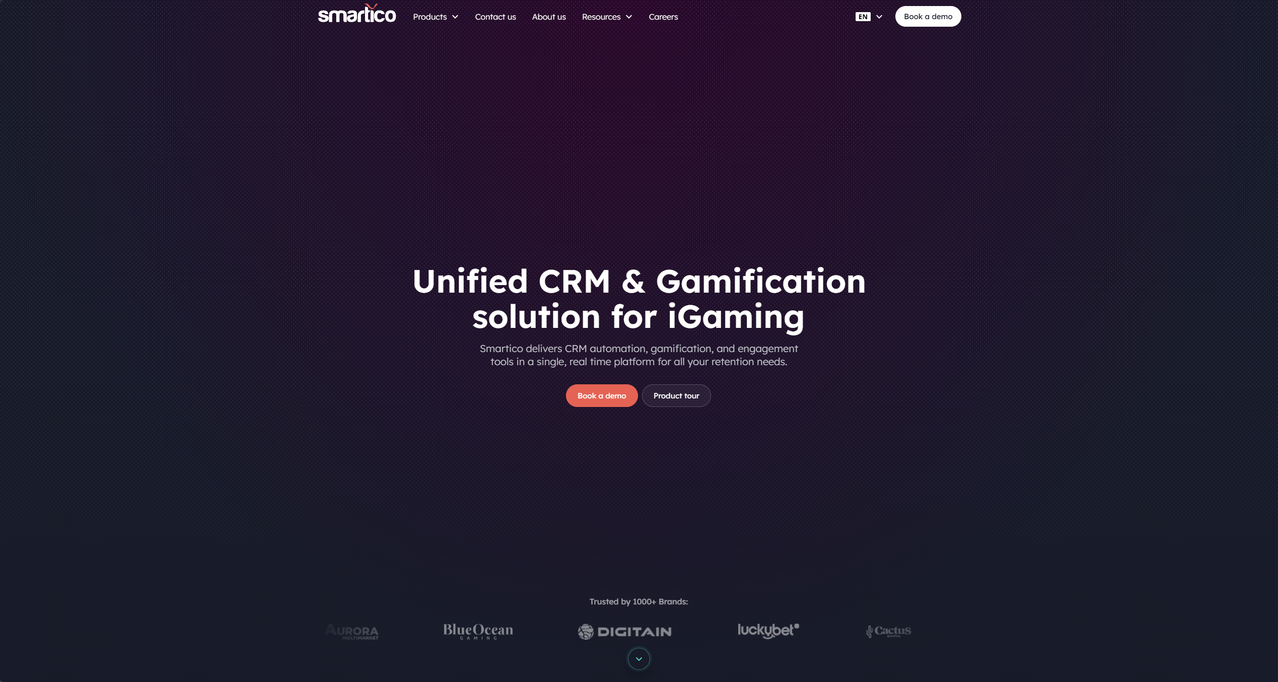
Smartico combines CRM automation with a gamification engine: missions, levels, tournaments, leaderboards and loyalty shops. Best for: casinos and sportsbooks that want gamified retention in the same tool as CRM. Limitation: teams focused purely on segmentation and analytics may not need the gamification layer.
To make acquisition data useful inside these tools, see how to use Voluum data inside iGaming CRMs.
3. Affiliate Platforms
Affiliate software lets you recruit partners, give them tracking links and creatives, and pay CPA, revenue share or hybrid commissions. In gambling, where affiliates can be a major acquisition channel, the platform also needs solid fraud controls and transparent reporting.
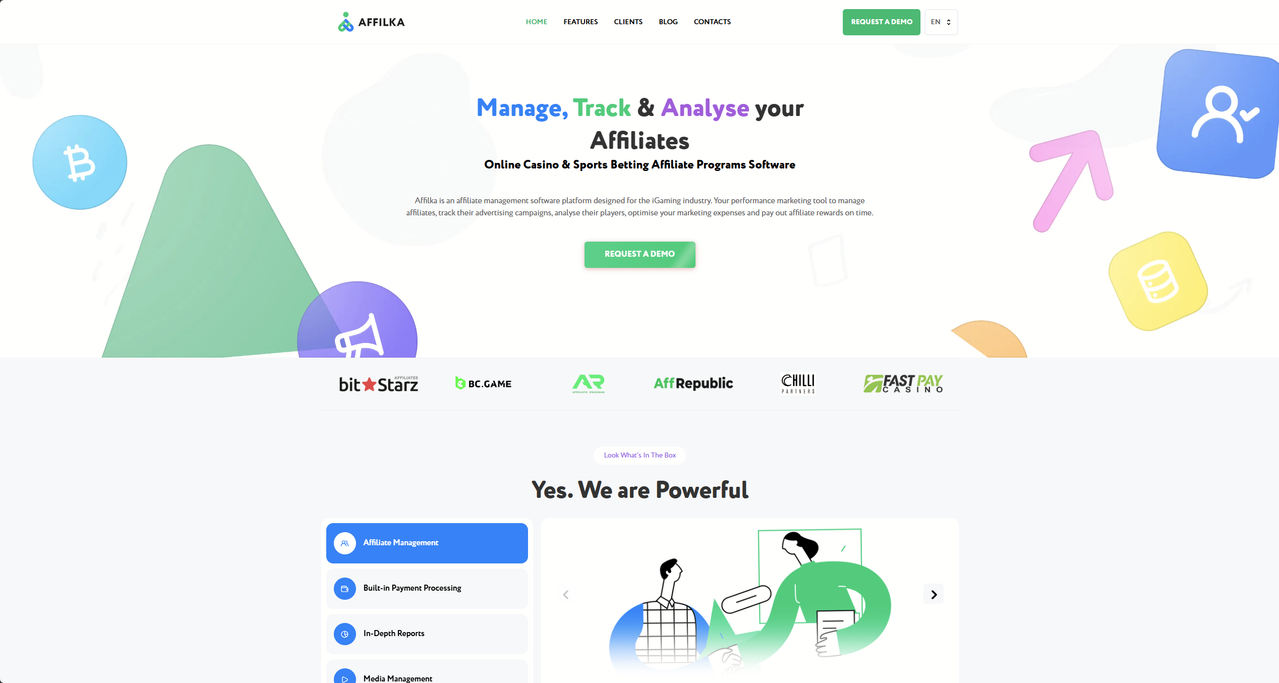
Affilka is an affiliate management platform that connects operators with affiliates and provides program management and reporting. It integrates with Voluum, so operators and their partners can see Affilka player data alongside paid traffic data in one place, without individual postbacks. Best for: operators who want their affiliate program and paid tracking connected. Limitation: it’s an operator-side program tool, so paid media optimization happens in your tracker.
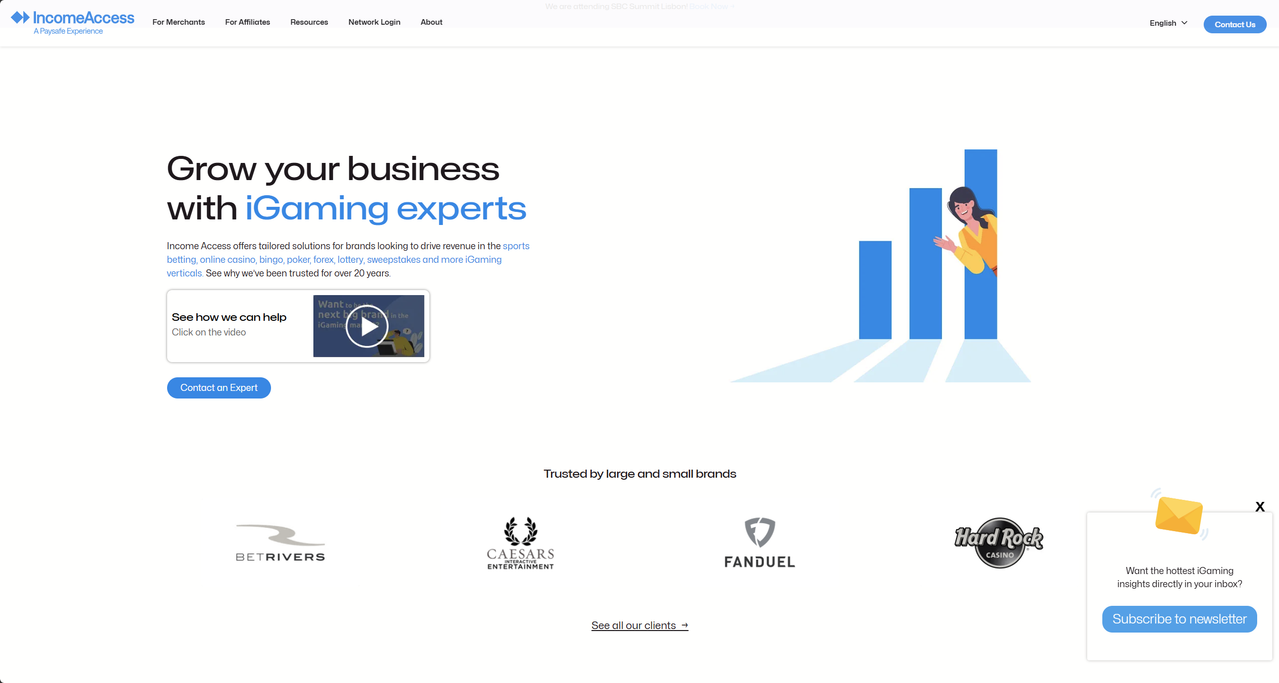
Income Access, part of Paysafe, provides affiliate tracking, reporting, commissions and payments built for iGaming brands, along with affiliate management services. Best for: established operators who want software plus program management support. Limitation: it’s an enterprise-style setup, which can be more than a small brand needs.
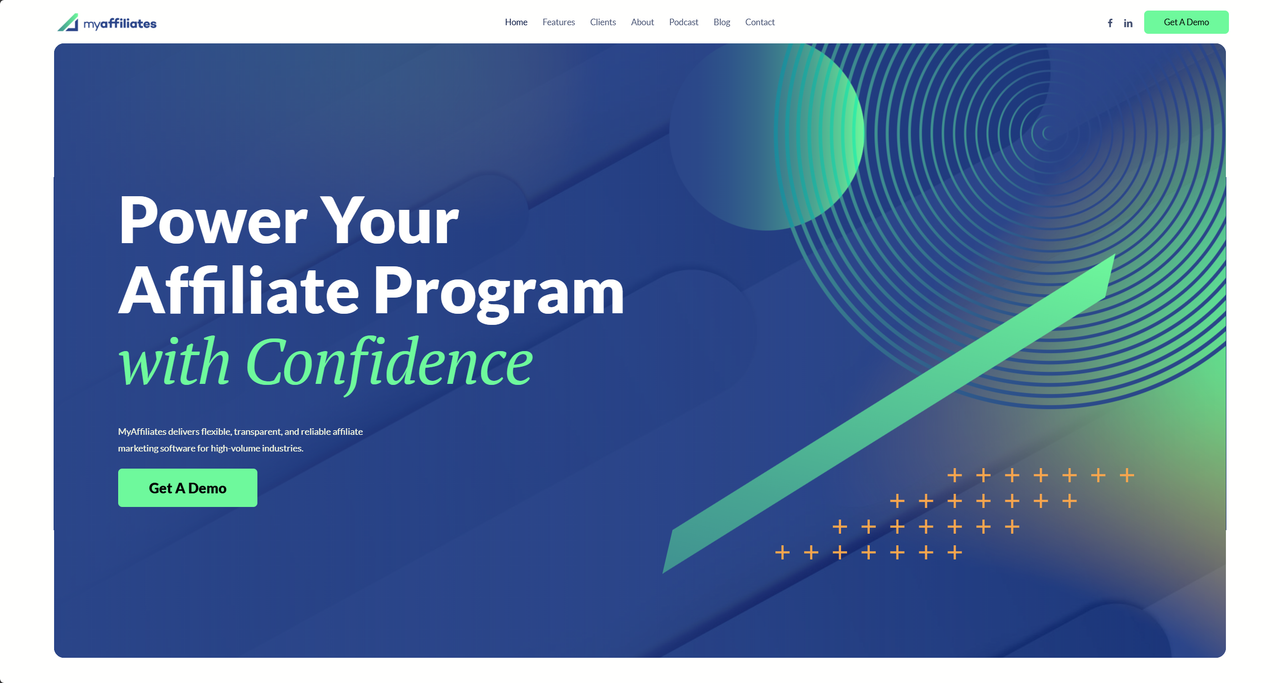
MyAffiliates is affiliate management software for betting and gaming with customizable commission plans, reporting and media management, and Voluum documents a setup for it. Best for: operators who want configurable commission structures. Limitation: like most platforms here, it manages the program rather than optimizing paid traffic.
For the affiliate’s view of these platforms, see our iGaming affiliate software guide.
4. Compliance and KYC
Compliance tools don’t look like marketing software, but they shape your funnel. A slow or clumsy verification step quietly cuts FTD rates, and a weak one puts your license at risk.
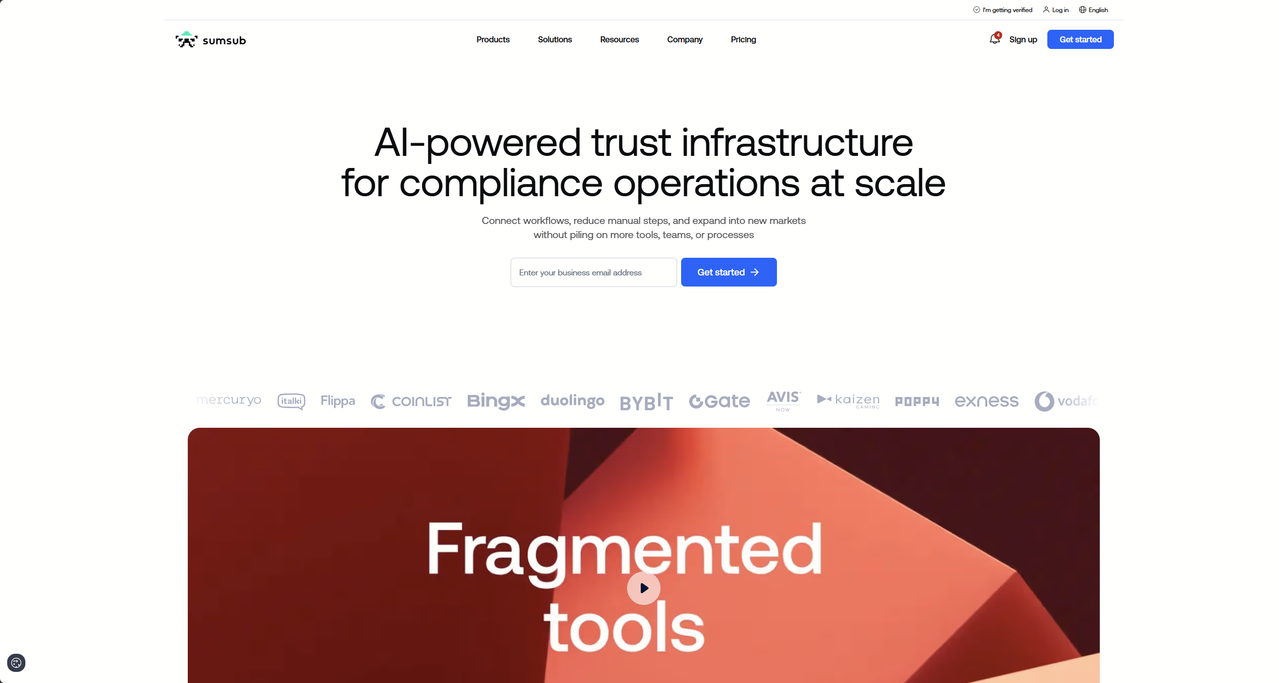
Sumsub combines KYC, AML screening and fraud prevention for iGaming operators and platforms in one tool. Best for: operators who want onboarding checks and ongoing monitoring from one vendor. Limitation: document coverage and flows need testing in each of your markets.
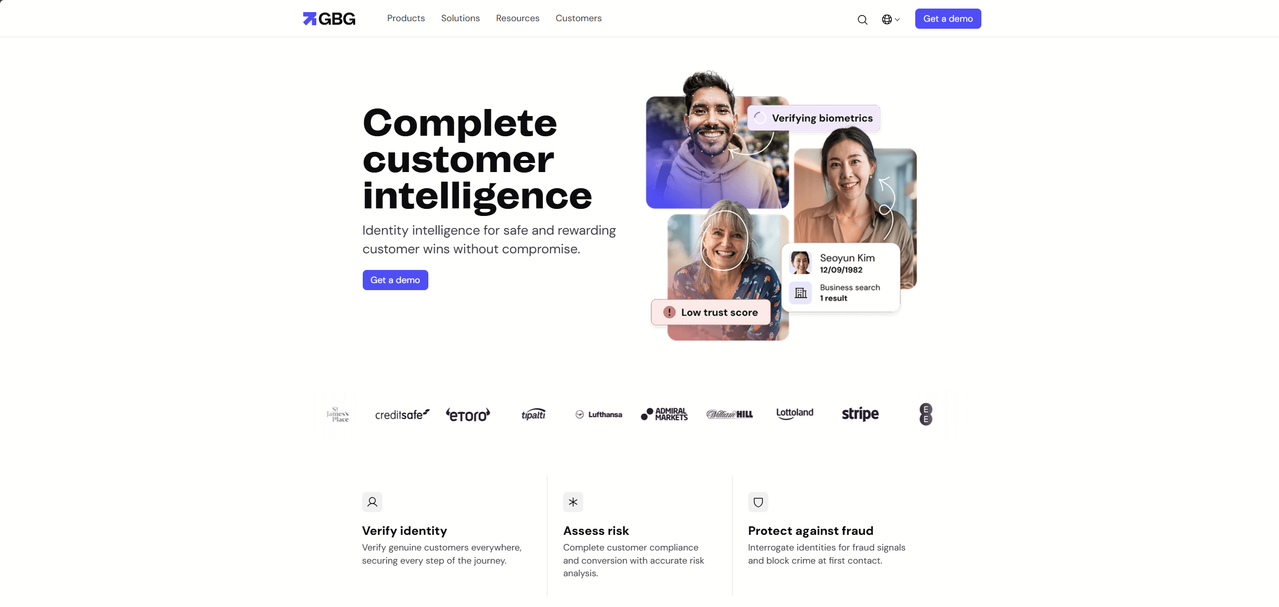
GBG offers identity verification and orchestration for online gambling compliance, letting operators combine data sources and checks into one onboarding flow. Best for: multi-market operators that need configurable verification. Limitation: orchestration takes setup work to tune for conversion.
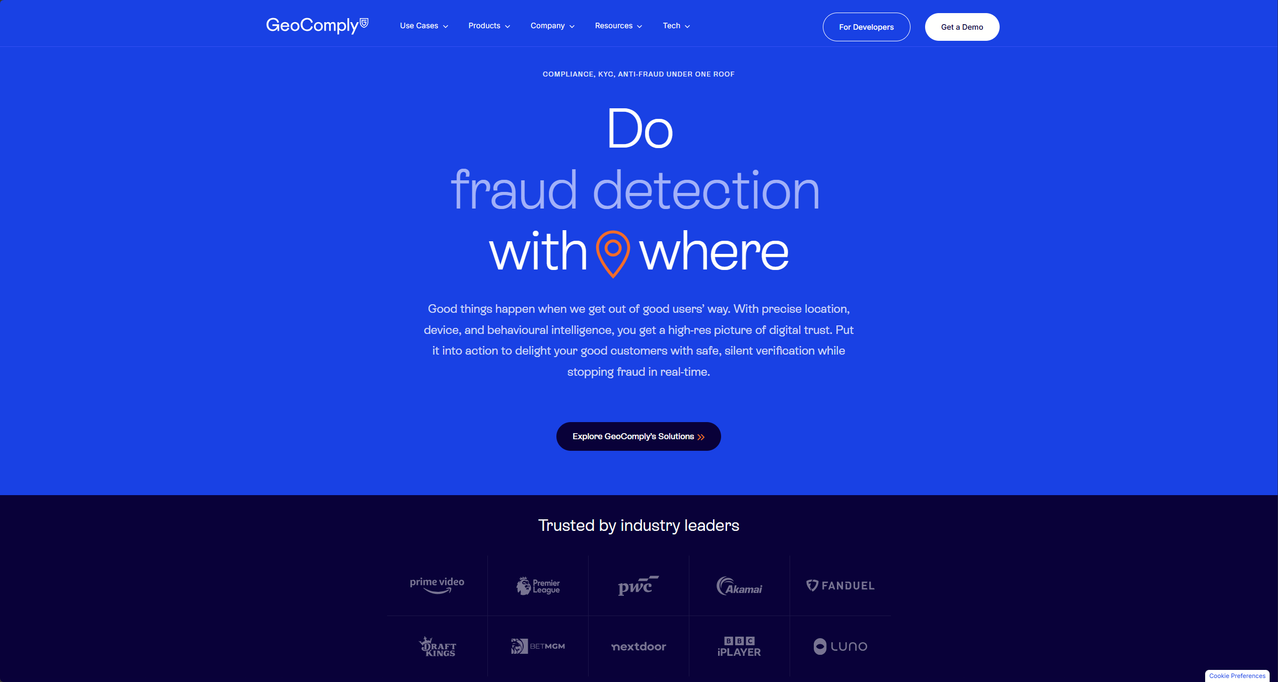
GeoComply provides geolocation compliance, confirming that players are physically inside a legal jurisdiction, and its IDComply product adds KYC checks. Best for: US and other markets with state- or region-level licensing. Limitation: it’s essential where geolocation is required and less relevant where it isn’t.
Our article on KYC and AML requirements in iGaming explains how these checks interact with tracking.
5. SEO
Organic search is expensive to win in gambling, but it lowers blended acquisition cost over time and keeps working when paid channels tighten.
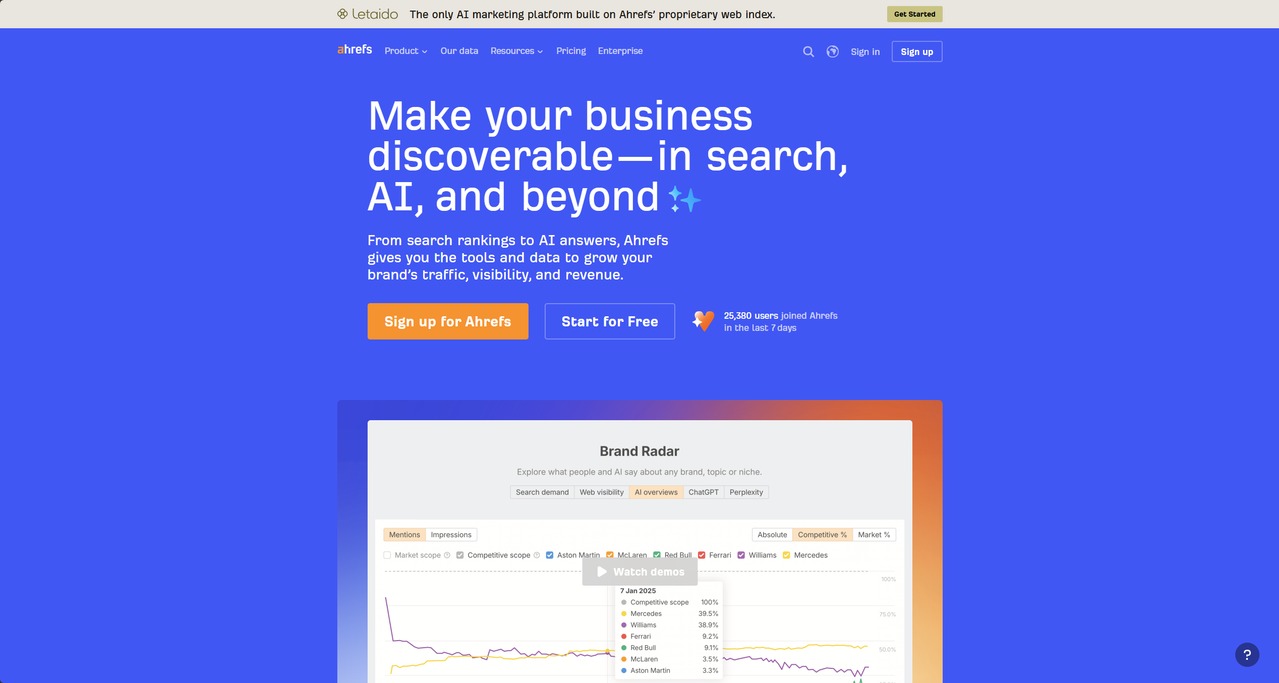
Ahrefs covers keyword research, backlink analysis, rank tracking and site audits, with backlink data that’s especially useful in link-heavy gambling niches. Best for: competitive research and link building. Limitation: plans are priced by usage, so heavy research needs a higher tier.
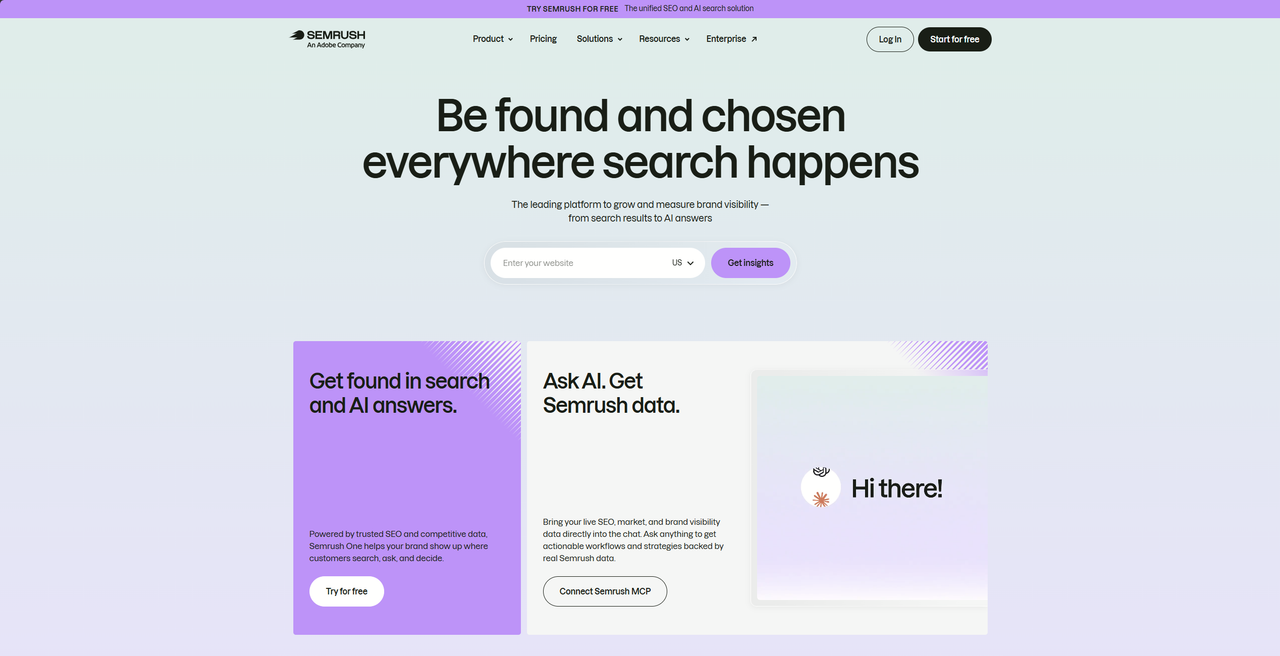
Semrush combines SEO research with competitive analysis of paid search, which helps operators see competitors’ organic and paid strategies side by side. Best for: teams that want one tool for SEO and competitor monitoring. Limitation: some advanced features sit in paid add-ons.
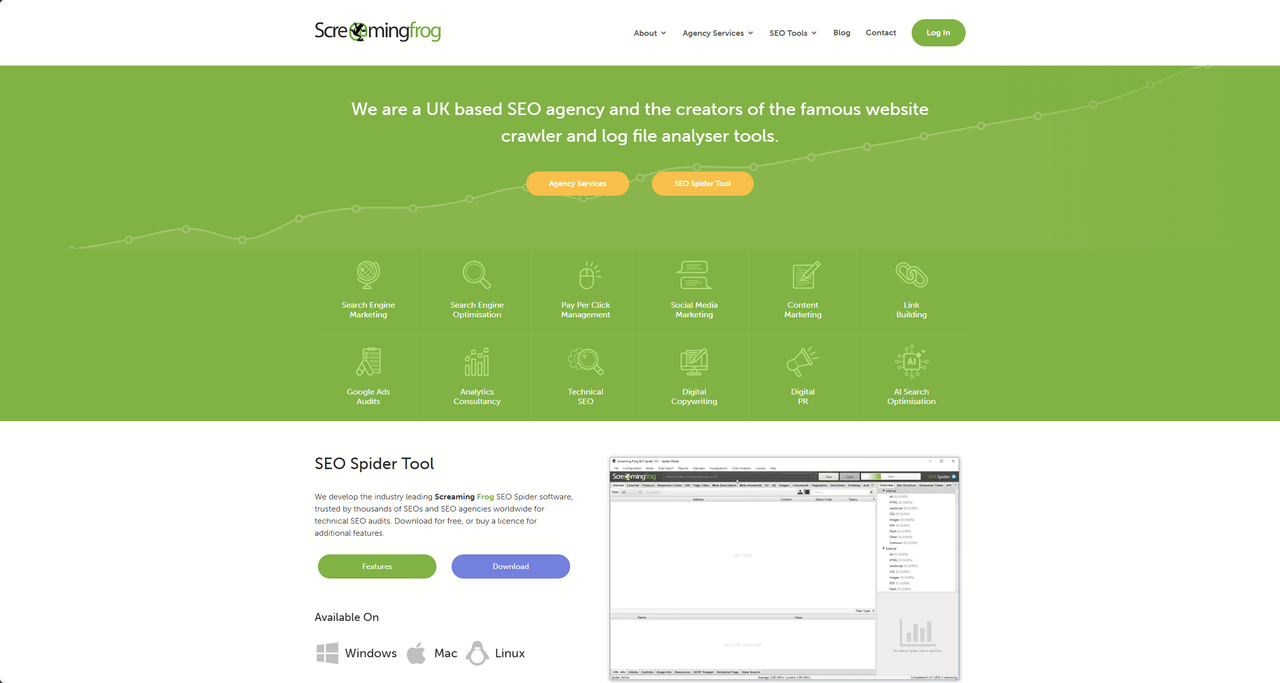
Screaming Frog SEO Spider crawls your site like a search engine to find broken links, redirect chains, duplicate content and indexing problems, which matter on large multi-language casino sites. Best for: technical SEO audits. Limitation: it audits your site rather than researching the market, so pair it with Ahrefs or Semrush.
To tie organic traffic to deposits, see iGaming SEO tracking with Voluum.
6. Ad Networks and Paid Traffic
Paid traffic in gambling is shaped by policy as much as by budget. The biggest platforms allow gambling ads only with approval and only in permitted markets.
Google Ads requires gambling advertisers to be certified and to target only countries where gambling ads are allowed; our breakdown of Google’s iGaming advertising rules covers the current requirements. Meta requires prior written permission to run online gambling ads, plus targeting that respects age and local law. Both reward strong first-party conversion data, which is where your tracker earns its keep.
Beyond the walled gardens, which native, push, pop and programmatic networks accept gambling ads depends on your license and market. Our guide to traffic sources by iGaming license maps that out.
Stack by Operator Size
The right iGaming marketing tools depend on where you are. A new brand and a multi-market group need the same categories, but not the same depth, and the stack should grow with your casino marketing strategy rather than ahead of it.
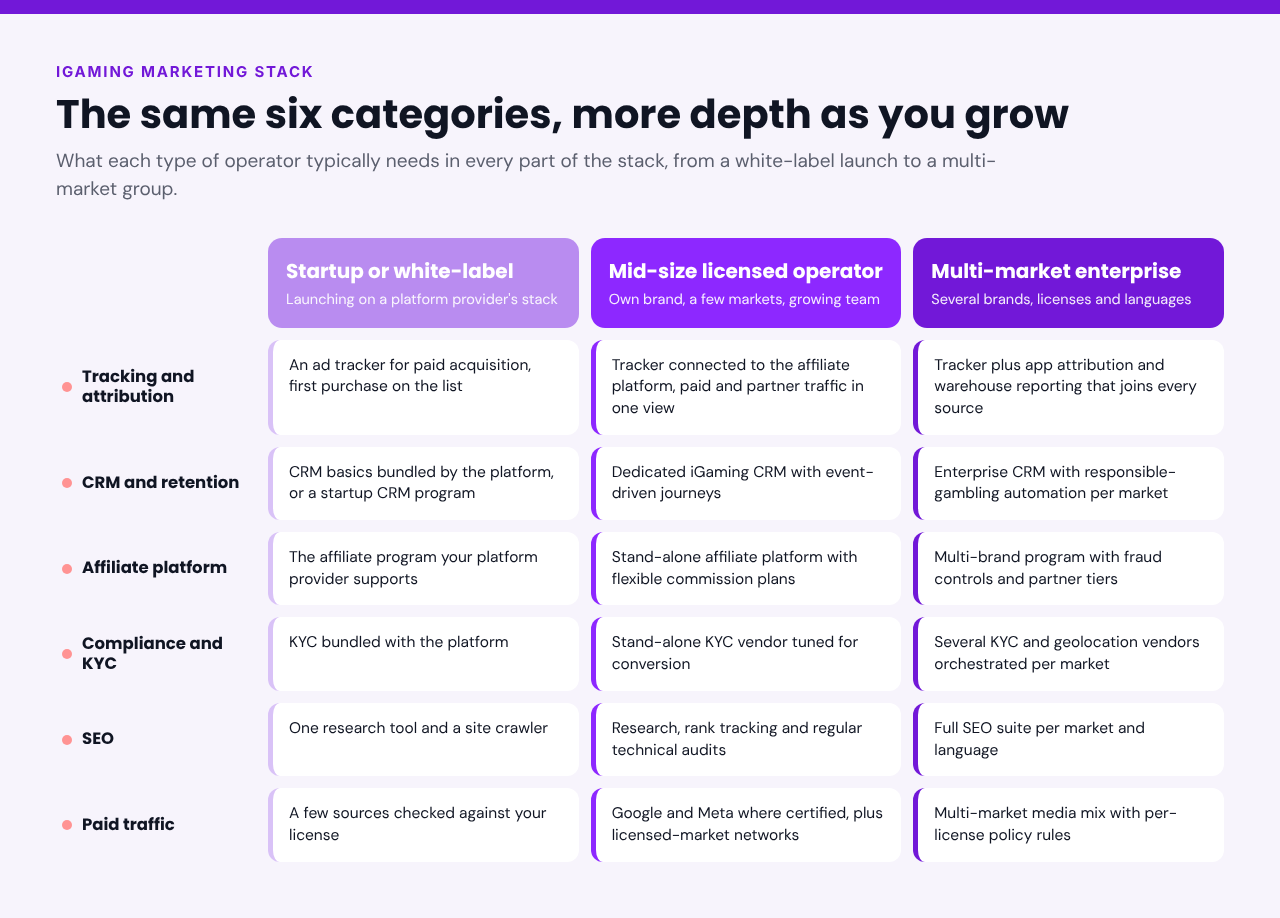
White-label or startup operator. Your platform provider often bundles CRM basics, payments and KYC. Spend your first budget on a tracker for paid acquisition, a lightweight SEO setup and an affiliate program on the platform your provider supports. Startup programs, like Optimove’s for pre-launch operators, can bring CRM forward without a full team.
Mid-size licensed operator. This is where a dedicated iGaming CRM pays off, along with a stand-alone KYC vendor tuned for conversion. Connect your tracker and affiliate platform so paid and partner traffic sit in one view, which is exactly what the Voluum and Affilka integration does.
Multi-market enterprise. Expect several KYC and geolocation vendors orchestrated per market, enterprise CRM with responsible-gambling automation, app attribution if you run native apps, and warehouse-level reporting that joins all of it. The priority shifts from adding tools to making them agree on the same player and the same numbers.
How the Tools Connect
A set of iGaming marketing tools only works as a stack when data moves between them without manual exports. A typical flow looks like this:
- A player clicks an ad or an affiliate link, and the tracker records the click with its source, campaign and creative.
- The player registers and passes KYC, and the operator platform records the new account with the click ID.
- The first deposit fires an FTD postback back to the tracker, and the CRM starts its onboarding journey.
- Later deposits and revenue flow to the CRM and the affiliate platform, which calculates commissions.
- Revenue by source comes back into the tracker, so acquisition decisions use lifetime value rather than FTD counts alone.
Our guides to tracking FTDs with postbacks and moving from FTDs to player lifetime value show how to set up steps three and five.
Build Your Acquisition Layer With Voluum
If you run paid and partner traffic and want to see which sources bring depositing players, see how Voluum works for iGaming operators, including the Affilka integration.
Frequently Asked Questions
What marketing tools do online casinos use?
Most online casinos use iGaming marketing tools in six categories: a tracker for paid and affiliate acquisition, a CRM for retention, an affiliate platform for partner programs, KYC and compliance tools, SEO software, and ad platforms that accept gambling ads. Larger operators add app attribution and data warehousing.
What is the most important tool in an iGaming marketing stack?
It depends on your biggest cost. For most operators, it’s the pair of tracker and CRM: the tracker shows which sources bring depositing players, and the CRM turns first deposits into repeat players. Without both, you can’t measure acquisition against lifetime value.
Can online casinos advertise on Google and Meta?
Yes, with restrictions. Google Ads requires gambling certification and allows gambling ads only in permitted countries. Meta requires prior written permission for online gambling ads. Both also require targeting that respects age limits and local law, so policies should be checked per market before launch.
How do casinos track FTDs from ads?
The tracker gives every click an ID and passes it to the casino platform at registration. When the player makes a first deposit, the platform or affiliate software sends a server-to-server postback with that click ID, so the FTD is credited to the right campaign, source and creative.
Do operators need affiliate software?
If affiliates are part of your acquisition, yes. Affiliate software handles partner sign-ups, tracking links, reporting and commission payments, which become hard to manage by hand beyond a few partners. Connecting it to your tracker lets you compare affiliate and paid traffic in one view.



 Facebook
 Telegram


